
Chimney Repairs and Replacement in East Sussex
Chimney stacks stand above the roof and take the full force of wind and rain. Across East Sussex many older homes have several stacks. This guide explains common chimney defects, how we assess them, and links to our six town pages.
Receive your free quote
Why chimneys leak
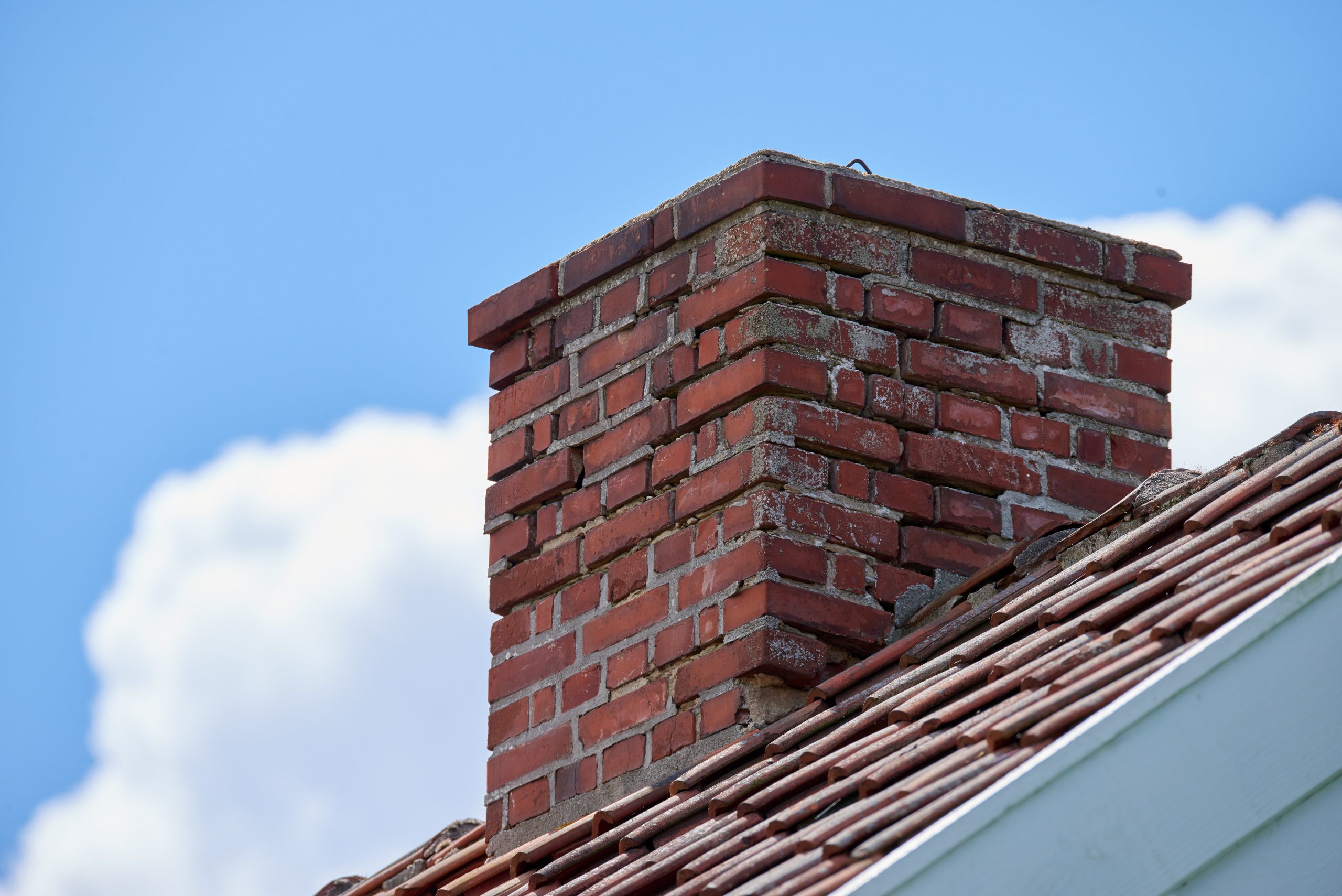
Water can enter through eroded mortar joints, cracked flaunching around the pots, worn or lifted lead flashings where the stack meets the roof, or a failing back gutter on the uphill side. Damp on a chimney breast or ceiling near the stack is a common sign. Back gutters behind wide stacks can collect debris and overflow, which shows as damp below the stack.
Not every damp patch near a chimney is caused by the stack itself, so we check the flashings, the surrounding roof and, where relevant, valley or parapet gutters before recommending work. Where lead flashing has lifted, wind-driven rain can enter even if the brickwork is sound.
Older stacks in East Sussex towns
Brighton's terraces often have stacks that are hard to see from the street. Eastbourne's Victorian and Edwardian houses and Bexhill's turn-of-the-century buildings frequently have tall or multiple chimneys. Hastings Old Town has tightly packed stacks and awkward junctions with neighbouring buildings. Peacehaven's later homes are less likely to have multiple stacks, but chimneys on altered bungalows still need checking where they meet newer roof sections.
In Seaford, the junctions between roofs, chimneys and flint walls all affect whether water stays out. Use the town links below for our local chimney repair pages. Whatever the town, if loose material falls from a stack keep clear of the area below and get it inspected.
Help & advice


Repoint, repair or rebuild
Many chimneys need repointing, new flaunching or renewed flashing rather than major work. Where a stack is leaning, badly cracked or the brickwork is crumbling, partial or full rebuilding may be needed for safety. Pots and cowls should also be checked, as loose pots can be a hazard in strong winds.
Disused stacks may also be candidates for capping or removal. If your property is listed or in a conservation area, check with the council before altering a chimney's appearance. Our article on chimney repointing covers the warning signs. Removing a stack can affect ventilation or neighbouring properties, so we explain what is involved first.