When Does a Chimney Need Repointing? Warning Signs Sussex Homeowners Should Know
A chimney spends its entire life in one of the most exposed positions on a property.
Wind, rain, frost and temperature changes continually act on the brickwork and mortar.
Receive your free quote
Over time, the mortar joints between the bricks can begin to deteriorate.
Repointing involves replacing defective mortar in those joints so the brickwork can remain properly protected and stable.
So how can you tell when it may be needed?
What Does Chimney Mortar Actually Do?
Mortar fills the joints between bricks.
It helps bind the masonry together and provides protection against the weather.
When mortar is in good condition, the chimney functions as a complete masonry structure.
When joints begin to crumble or wash away, parts of the brickwork become increasingly exposed.
This is why the condition of mortar should not be viewed as purely cosmetic.
Warning Sign 1: Mortar Is Crumbling Away
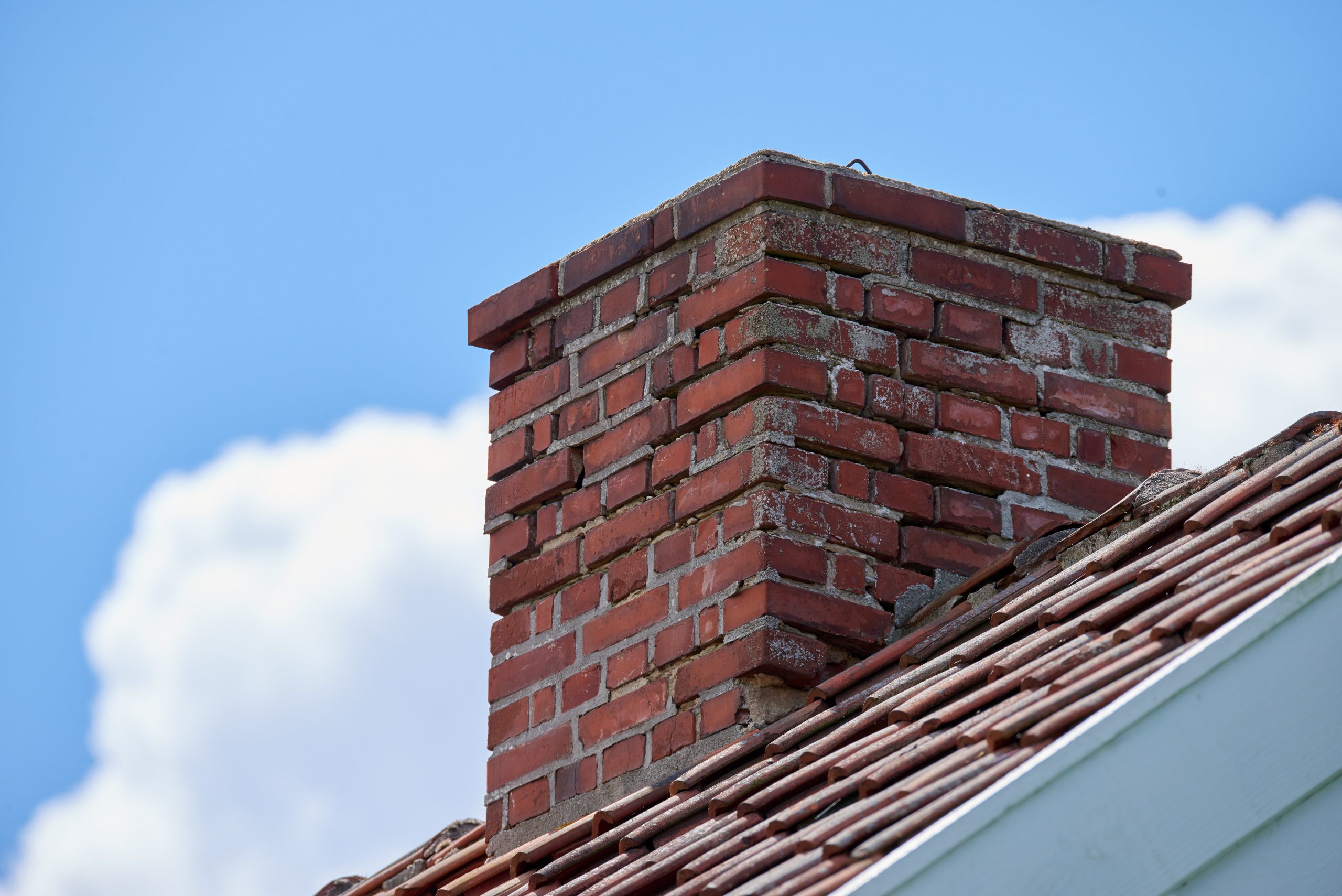
One of the clearest signs is visible erosion.
Joints may appear recessed, uneven or empty in places.
You might also find small pieces of mortar on the roof or ground following bad weather.
Localised deterioration does not necessarily mean the entire chimney needs rebuilding.
Professional assessment can determine whether repointing is enough.

Warning Sign 2: Bricks Are Becoming Loose
If mortar has deteriorated significantly, individual bricks may lose some of their support.
Loose masonry high above ground level deserves prompt attention because it can become a safety concern.
A chimney should not be approached or tested by an untrained homeowner.
Bramwell Roofing Sussex provides chimney repairs and replacement, including work where mortar or masonry has deteriorated.
Warning Sign 3: Water Is Appearing Around the Chimney
Damp around a chimney breast can have several causes.
Deteriorating mortar may be involved, but so might:
- Damaged flashing
- Cracked masonry
- Problems around the chimney crown
- Roof defects nearby
It is therefore important not to assume repointing will automatically resolve every chimney-related leak.
The actual source needs to be identified.
Warning Sign 4: Cracks Are Visible
Cracks in mortar joints or masonry should be checked.
Some may remain localised, while others can point towards more significant deterioration.
The position and extent of the cracking matter.
A professional inspection can help establish whether localised repair, repointing or more extensive rebuilding is appropriate.
Warning Sign 5: Previous Repairs Are Failing
Older chimneys may have received several repairs over the years.
If patches of mortar are breaking away or repeated work has not provided a lasting solution, the chimney needs to be considered as a whole.
Continuing to repair one isolated joint at a time may not be practical where deterioration has become widespread.
What Is Chimney Repointing?
In simple terms, defective mortar is carefully removed from the joints and replaced with suitable new mortar.
The objective is to restore the joints rather than covering failing material superficially.
The exact approach depends on the brickwork, its age and condition.
Older and period properties may require particular care because materials and construction methods can differ from modern buildings.
When Is Repointing Not Enough?
A chimney may need more extensive repair where there is substantial brick deterioration, instability or damage to other components.
Possible work may include:
- Brick replacement
- Chimney pot repairs
- Crown or flaunching repairs
- Flashing work
- Partial rebuilding
- More substantial chimney reconstruction
This is why an assessment should come before choosing the repair method.

Why Flashing Matters
The base of the chimney meets the roof covering at a vulnerable junction.
Flashing helps keep this connection weatherproof.
Even if the chimney mortar is in reasonable condition, failed flashing can allow water into the roof.
Likewise, replacing flashing alone will not resolve seriously deteriorated brickwork.
A complete chimney assessment should consider both.
Chimneys and Sussex Weather
Sussex chimneys can face considerable weather exposure.
Those close to the coast may experience particularly strong winds and driving rain, while frost and changing temperatures affect properties throughout the county.
Period homes in Brighton, Eastbourne, Hastings and other established towns can also have older masonry that deserves sympathetic maintenance.
Don’t Wait for Masonry to Become Loose
Early deterioration is generally easier to manage than widespread failure.
If your chimney has visibly eroded mortar, cracked brickwork, loose components or signs of water ingress, it is sensible to have the cause checked.
Call Bramwell Roofing Sussex on 07598 001 200 to discuss chimney repair requirements.
Frequently Asked Questions
What is chimney repointing?
It involves removing deteriorated mortar from masonry joints and replacing it with suitable new mortar.
How do I know if a chimney needs repointing?
Crumbling, missing or deeply recessed mortar joints are common warning signs.
Can bad mortar cause a chimney leak?
It can contribute, although flashing and other chimney details should also be checked.
Does repointing fix loose bricks?
It depends on their condition. Damaged or unstable bricks may also need repair or replacement.
Can I inspect a chimney from the roof myself?
No. Working at roof level can be extremely dangerous and should be left to appropriately equipped professionals.