
What Should You Do If Your Roof Is Damaged in a Storm?
Strong winds and heavy rain can damage a roof very quickly, particularly when an existing weakness is already present.
If a storm has passed and you suspect your roof has been affected, the most important thing is to stay safe, look for obvious warning signs and arrange professional assessment where damage is suspected.
Receive your free quote
Trying to climb onto a wet or damaged roof yourself is not worth the risk.
Check the Ground Around Your Property
One of the easiest ways to identify possible roof damage is to look down rather than up.
After a storm, check the garden, driveway and surrounding ground for:
- Roof tiles
- Pieces of slate
- Mortar
- Guttering
- Ridge material
- Chimney debris
- Branches that may have struck the roof
Finding roofing material on the ground is a strong reason to investigate further.
Look at the Roof From a Safe Position
Where the roof is visible from the ground, look for any obvious changes.
This could include:
- Gaps in tiled areas
- Slipped slates
- Missing ridge tiles
- Loose guttering
- Damaged chimney pots
- Displaced flashing
- Fallen branches
- Visible changes to flat roof edges
Do not attempt to gain a better view by climbing onto ladders during windy or wet conditions.

Check Inside the Loft
If your loft is safely accessible, it may provide useful clues.
Look for:
- New water staining
- Dripping
- Damp insulation
- Daylight through unexpected gaps
- Wet roof timbers
- Musty smells
Remember that water can travel along underlay and timber, so the internal sign may not be directly beneath the external damage.
A professional roof survey can help identify the likely source.
Move Possessions Away From Active Leaks
If water is entering the building, protect the inside of your home as far as reasonably possible.
Move furniture, electrical equipment and valuables away from the affected area.
A container may help catch dripping water temporarily, provided this can be done safely.
However, these measures only manage the immediate symptom.
The roof itself still needs attention.
Don’t Attempt Temporary Roof Repairs Yourself
A wet roof can be extremely slippery.
Storm damage may also have loosened materials that look secure from below.
This makes DIY roof access especially dangerous after severe weather.
Professional roofers have appropriate equipment and experience for working at height and assessing damaged materials.
Missing Tiles and Slates
Tiles and slates are often among the first visible casualties of high winds.
One missing tile may be repairable if the surrounding roof remains sound.
Where a larger area has been affected, neighbouring fixings and materials should also be checked.
Bramwell Roofing Sussex provides both tiled roof repairs and slate roof repairs.
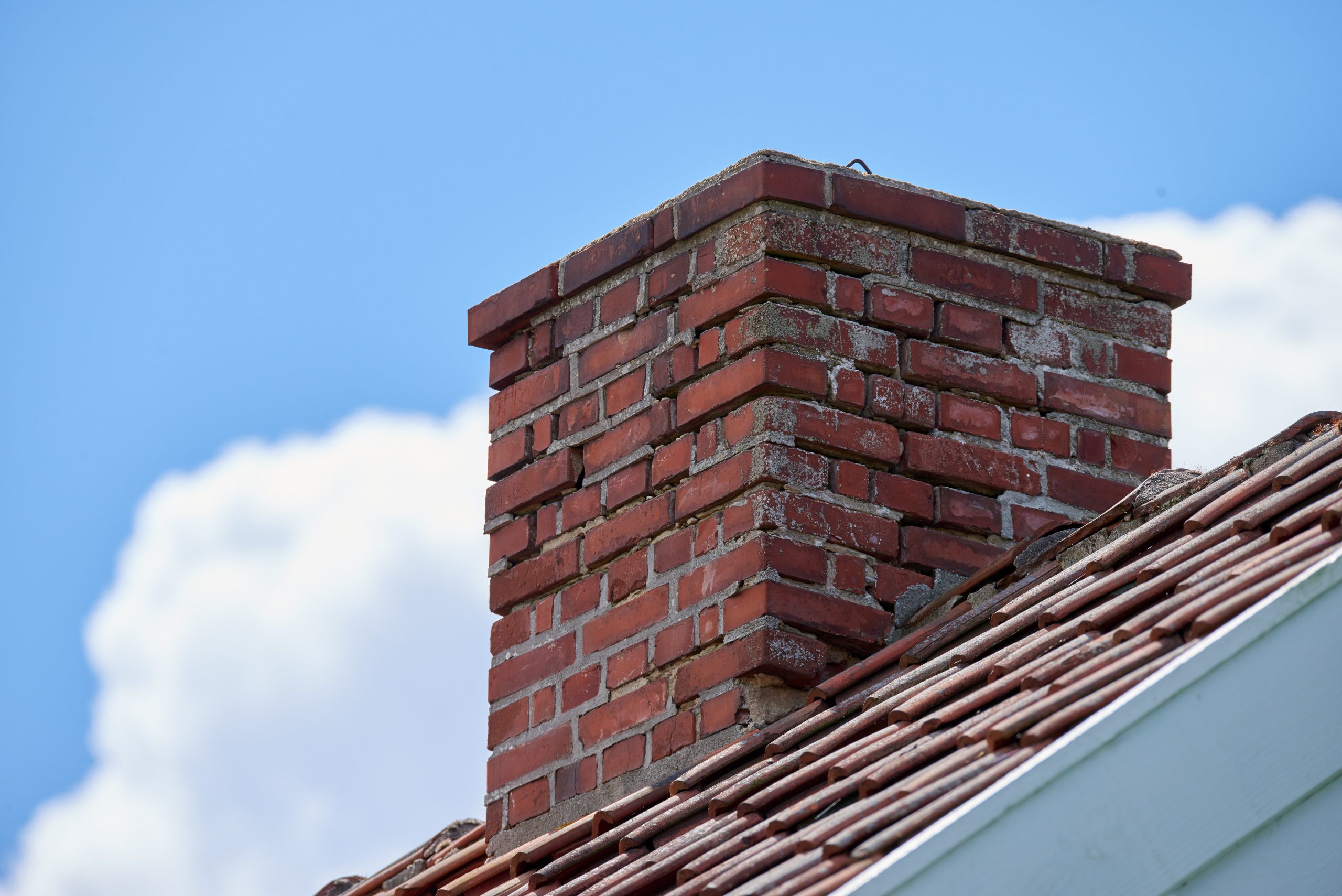
Check the Chimney
Chimneys sit in a particularly exposed position.
Storm damage may loosen mortar, pots, flashing or sections of masonry.
Any debris that appears to have fallen from a chimney should be taken seriously because loose components can create a safety risk as well as allowing water into the building.
Chimney repairs and replacement may be required where deterioration or movement is identified.
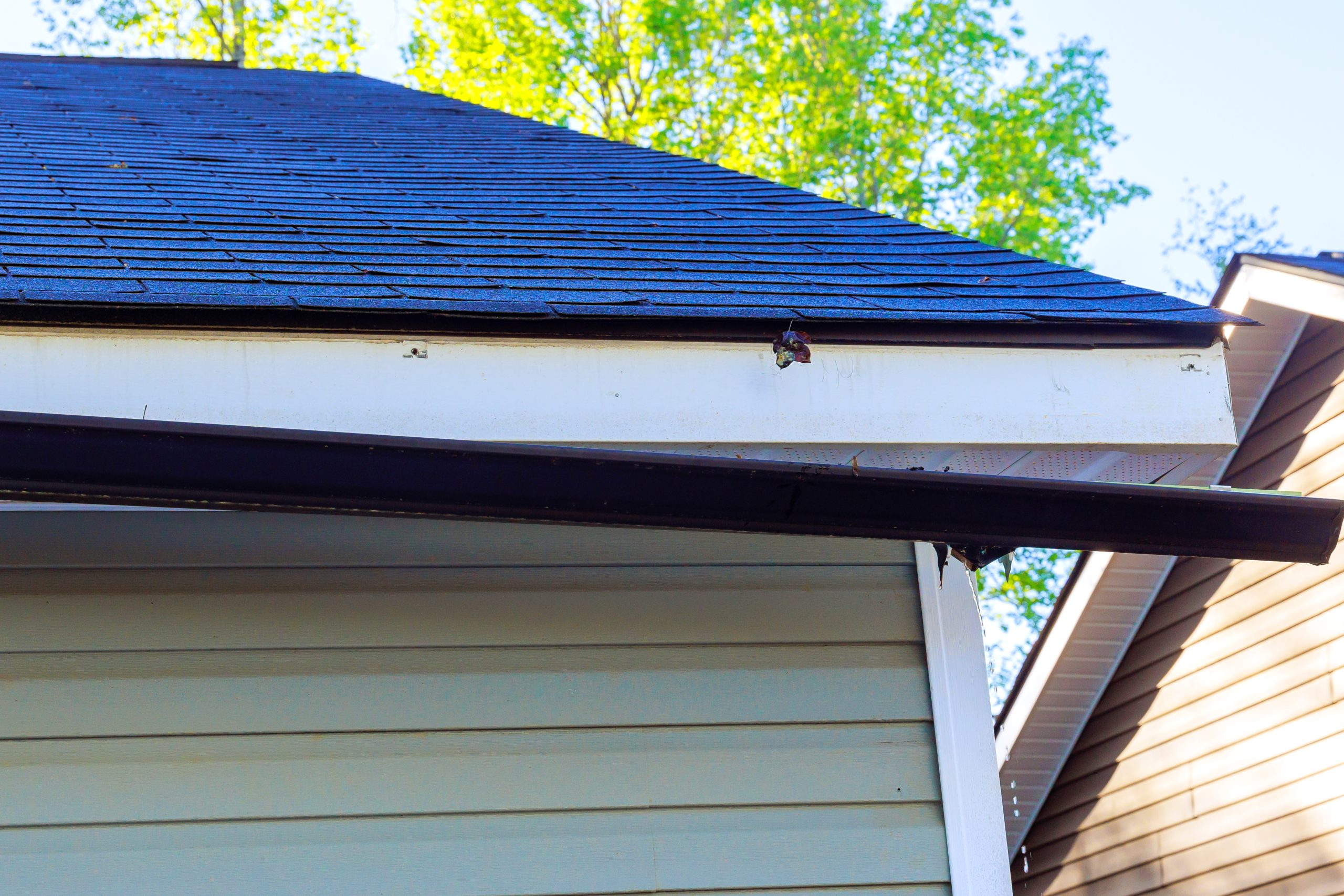
Don’t Forget Gutters
Strong weather can also affect guttering.
Look for:
- Loose sections
- Broken brackets
- Sagging
- Downpipes that have moved
- Cracked joints
Fallen leaves and storm debris may also create sudden blockages.
If gutters stop working properly, subsequent rainfall may overflow against walls and roofline materials.
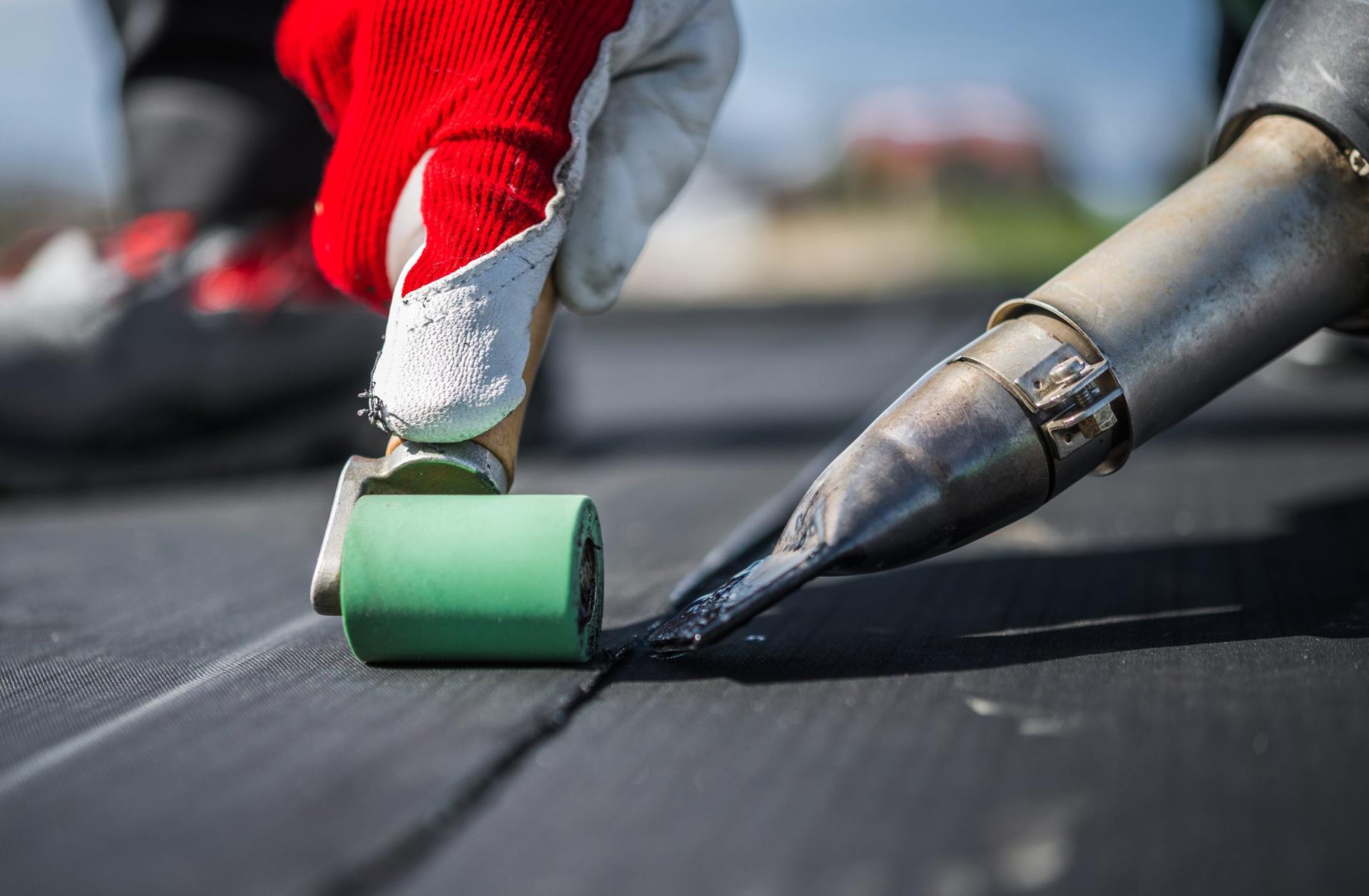
Storm Damage to Flat Roofs
Flat roofing should also be checked following severe weather.
Falling branches or debris can damage the covering, while wind may worsen loose edges or existing weaknesses.
Signs of concern include cracks, tears, lifting materials and new internal damp.
More information is available through Bramwell Roofing Sussex’s flat roofing services.
Act Before the Next Spell of Rain
Storm damage can be deceptive.
A displaced tile may not cause an immediate leak if the weather becomes dry afterwards.
The problem can then seem to disappear until the next period of rain.
Addressing visible damage early may reduce the risk of water reaching insulation, timber and interior finishes.
Storm-Damaged Roofs in Sussex
Properties throughout Sussex can be exposed to severe weather, particularly those in coastal locations.
If a storm has left you with missing tiles, damaged slates, loose guttering, a leaking roof or concerns about a chimney, call Bramwell Roofing Sussex on 07598 001 200 to discuss an assessment.
Frequently Asked Questions
Should I go onto my roof after a storm?
No. Wet or damaged roofs can be extremely dangerous.
Does one missing tile need repairing?
Yes, it is sensible to have the area checked before further rain reaches the exposed section.
Can storm damage cause a leak later?
Yes. Damage may occur during the storm but only become noticeable when rain returns.
Should I check my loft after strong winds?
If it is safely accessible, looking for new damp, daylight or water staining can provide useful clues.
Can gutters be damaged by storms?
Yes. Wind, falling branches and accumulated debris can damage or block guttering.