
How Does Living Near the Sussex Coast Affect Your Roof?
Living near the Sussex coast has plenty of advantages, but coastal properties also face weather conditions that can be particularly demanding on roofs.
Strong winds, driving rain and exposure to salty air can all contribute to the gradual deterioration of external materials.
Receive your free quote
That does not mean every coastal home will experience roofing problems. It does mean that regular inspection and timely maintenance can be particularly valuable for properties close to the sea.
Coastal Winds Can Put Roofing Materials Under Pressure
Roofs are designed to withstand weather, but persistent exposure to wind can reveal existing weaknesses.
Loose tiles, slates or ridge sections may become more vulnerable during storms.
Once a roofing component begins to move, further wind can enlarge the problem.
This is particularly relevant to exposed properties in locations such as Brighton, Peacehaven, Seaford, Eastbourne, Bexhill and Hastings.
Following severe weather, it is worth looking safely from ground level for missing materials or debris.
Driving Rain Can Find Small Weaknesses
Coastal rainfall is not simply about the quantity of water.
Strong winds can push rain against a building from angles that normal vertical rainfall would not reach.
Small defects around flashing, roof junctions, chimneys or displaced tiles can therefore become more noticeable during particular weather conditions.
This can explain why some roofs only appear to leak when rain is accompanied by strong winds.
Pitched roof repairs and replacement may be appropriate where coverings or roof junctions have been affected.

Salty Air Is Another Part of Coastal Exposure
Sea air contains salt, which is one of several environmental factors that can contribute to weathering over time.
The rate and type of deterioration will depend on the roofing materials, their condition and the property’s exact exposure.
Regular visual checks become useful because they allow developing defects to be identified before they contribute to leaks.
Slate Roofs Need Secure Fixings
Slate roofs are common on many traditional properties.
Individual slates rely on suitable fixings and correct overlap.
If a slate becomes loose or slips, it can create a vulnerable area even if the slate itself has not broken.
Coastal winds can expose weaknesses in older roofing systems, making slipped or missing slates worth addressing quickly.
Bramwell Roofing Sussex provides slate roof repairs and replacement across the county.
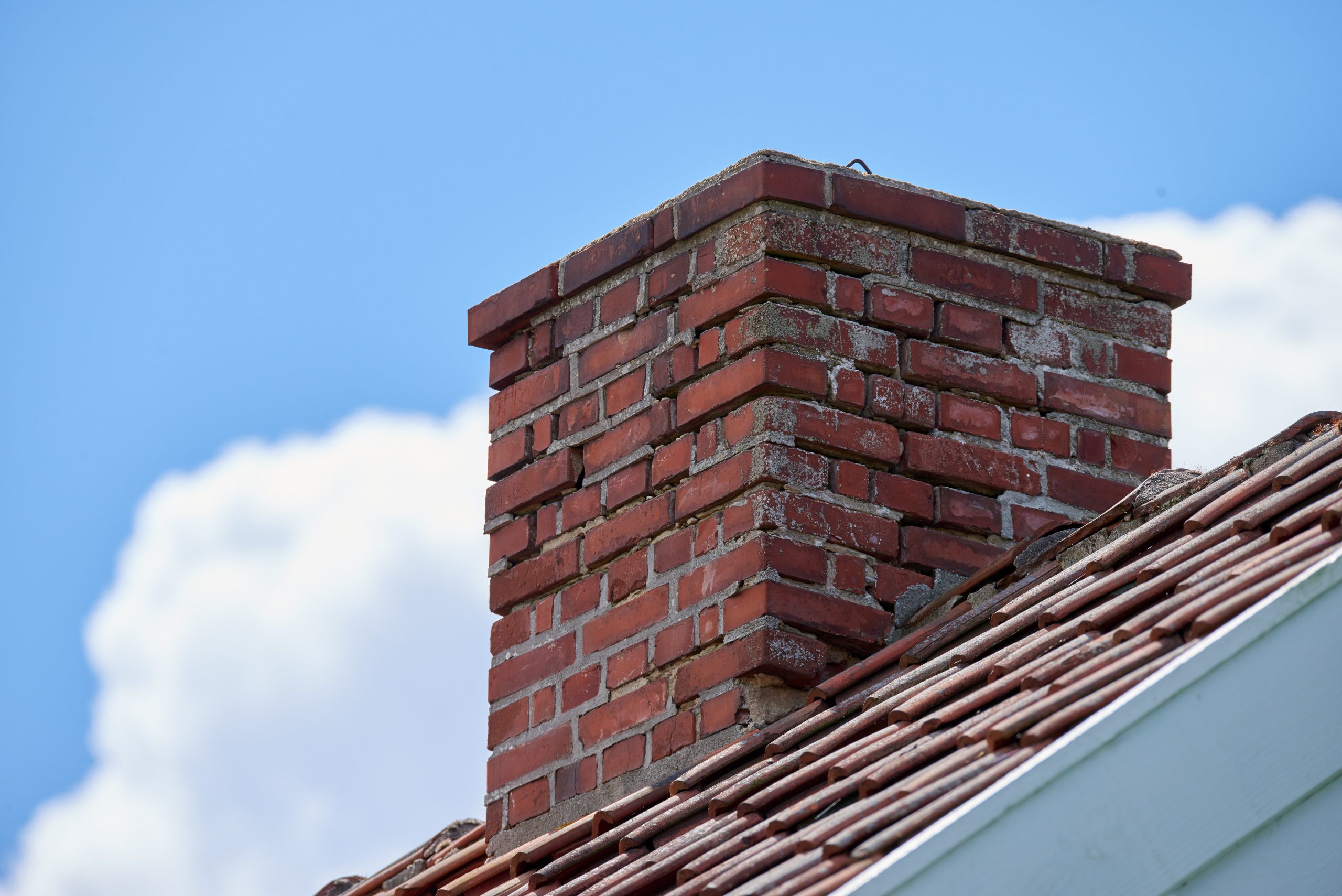
Chimneys Are Particularly Exposed
A chimney sits above the roofline with little protection from the weather.
Wind, rain, frost and changing temperatures all act on its brickwork and mortar.
Potential problems include:
- Deteriorating mortar
- Damaged bricks
- Loose chimney pots
- Failed flashing
- Cracks
- Water penetration around the base
Coastal conditions can make regular checks particularly worthwhile.
If deterioration is identified, chimney repair work may help protect both the chimney and surrounding roof.
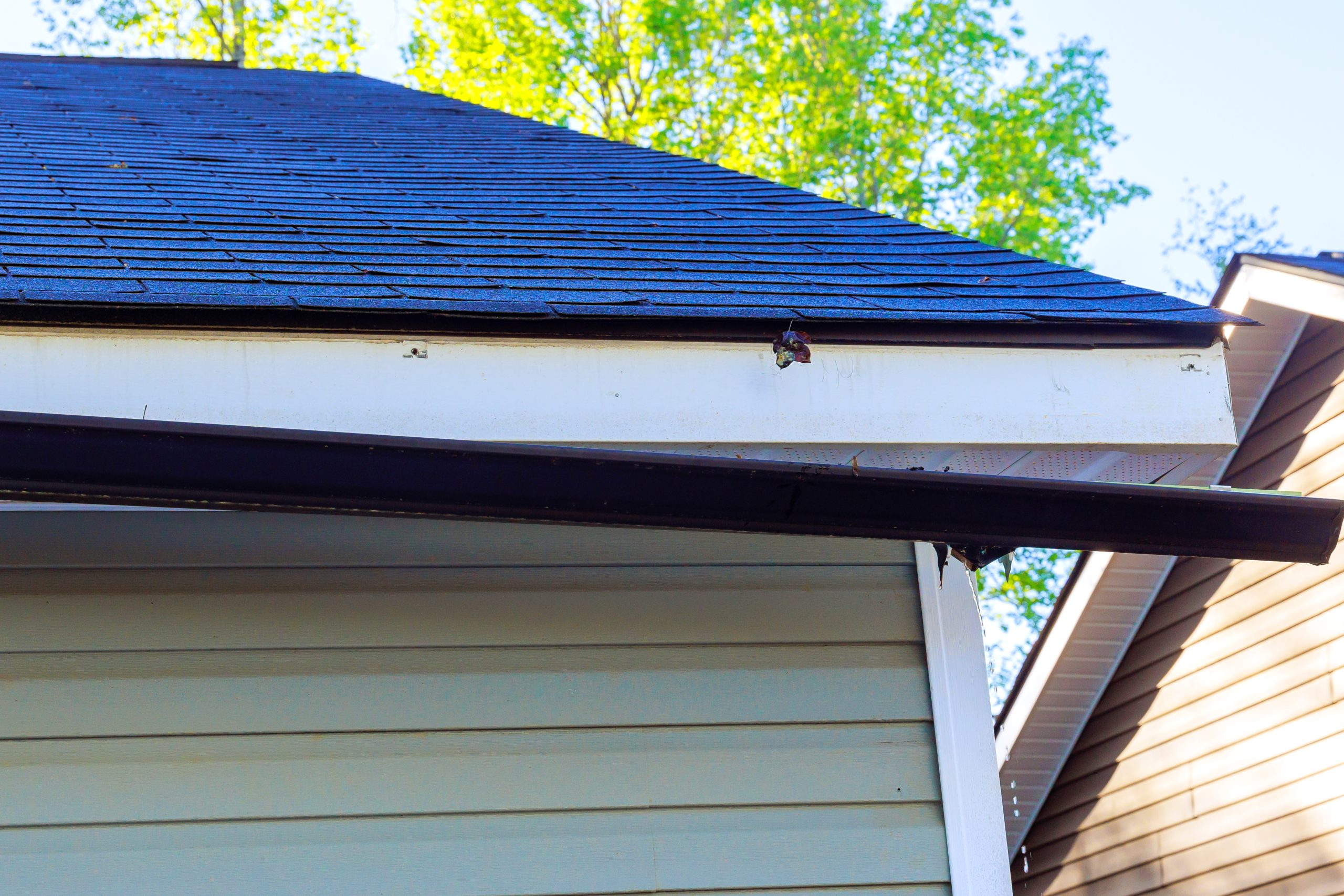
Gutters Must Cope With Heavy Rain
Guttering is another important part of coastal roof maintenance.
When a period of heavy rainfall arrives, the system needs to move large quantities of water away efficiently.
If gutters are already blocked with leaves or moss, overflow can quickly occur.
Loose brackets and ageing fascia boards can also become more noticeable during bad weather.
Keeping gutters clear and correctly aligned is therefore an important part of protecting walls and roof edges.
What About Flat Roofs Near the Coast?
Flat roofs have their own maintenance requirements.
Drainage is particularly important because standing water can remain against a roof covering for extended periods.
Strong wind can also move debris onto the roof or affect already weakened edges and joints.
Regularly checking flat roofs for cracks, lifting materials and drainage problems is sensible for coastal properties.
Older Sussex Properties May Need Extra Attention
The Sussex coastline includes a large number of older and period properties.
These buildings may incorporate traditional slate, tiled roofs, chimneys, leadwork and roof details that have been repaired or altered several times over the years.
Older does not automatically mean problematic.
However, understanding the condition of individual components becomes increasingly important where several materials meet.
Consider a Roof Check After Severe Weather
One of the most practical habits for coastal homeowners is simply looking for changes after major storms.
Check for:
- Tiles or slates on the ground
- New gaps in the roof
- Loose guttering
- Chimney debris
- New internal damp
- Changes around ridges
- Visible damage from fallen branches
Do not climb onto the roof yourself.
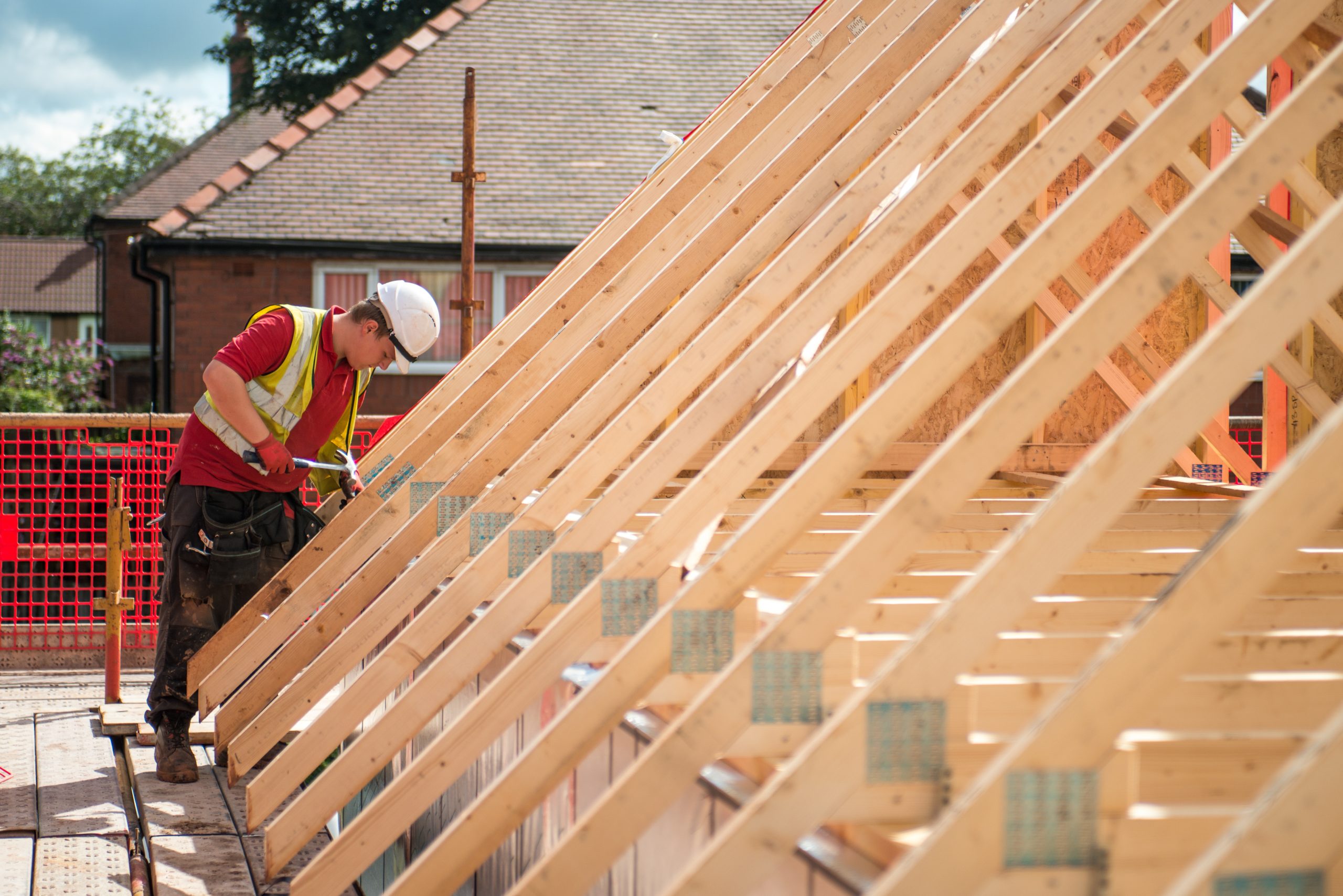
A professional roof survey can provide a safer assessment where concerns arise.
Roofing Support for Sussex Coastal Properties
Coastal weather is simply one factor affecting the condition of a roof. Age, construction, maintenance and previous repairs are equally important.
The best approach is therefore not to assume that coastal exposure automatically means major work is required, but to identify problems early and respond proportionately.
For advice about a roof in Brighton, Eastbourne, Seaford, Peacehaven, Bexhill, Hastings or elsewhere in Sussex, call Bramwell Roofing Sussex on 07598 001 200.
Frequently Asked Questions
Does salty sea air damage roofs?
Coastal exposure can contribute to weathering, although the effect varies according to materials and location.
Are coastal roofs more likely to suffer storm damage?
Highly exposed properties may face stronger winds, which can reveal weaknesses in tiles, slates and fixings.
How often should a coastal roof be checked?
There is no fixed timetable, but periodic checks and inspections after severe weather can be sensible.
Which roofing areas should receive particular attention?
Tiles, slates, chimneys, flashing, gutters, ridges and exposed flat roofing details are all worth monitoring.
Should I inspect the roof after every storm?
A simple ground-level visual check after particularly severe weather can help identify obvious changes.