
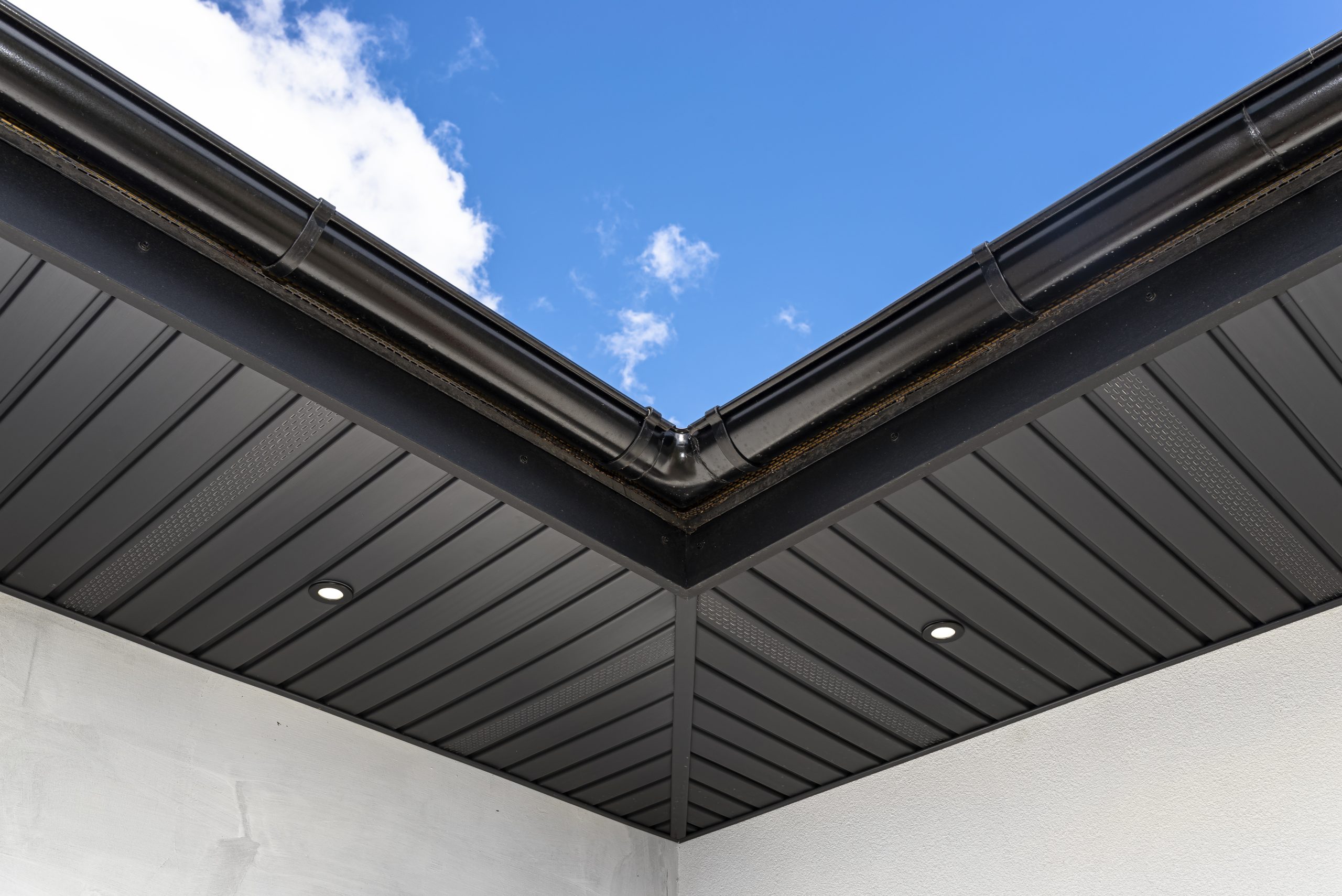
Soffit and Fascia Repairs in Seaford
Seaford's later bungalows and family homes have plenty of eaves and dormer rooflines, and older flint buildings have their own details. Wind from Seaford Bay tests every exposed edge.
Receive your free quote
Dormers and extensions
Homes with dormers have extra short fascia runs and corners, and flat-roofed extensions add edges that meet the main roofline. These junctions are worth checking when paint flakes or gutters sag. Dormer cheeks and the small roofs above them are often overlooked during routine maintenance because they are hard to see from the ground.
We look at how water leaves each section, because a roofline problem often traces back to drainage. Where a flat-roofed extension drains into a gutter fixed to the fascia, a blocked outlet can overload that section and keep the board wet.
Exposure
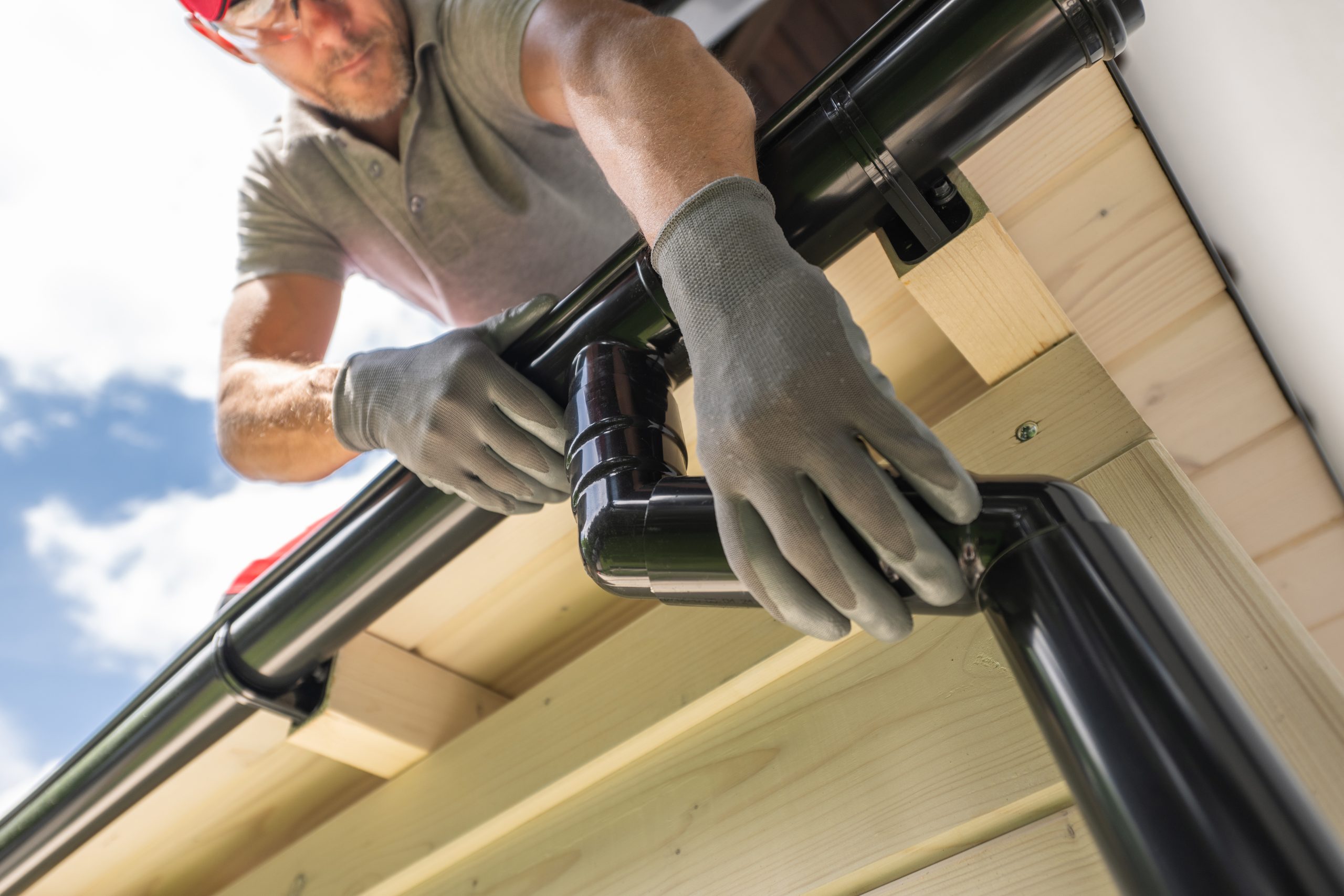
Properties facing the bay or towards Seaford Head see more wind. Loose boards and lifted soffits should be checked after strong winds. Salt-laden wind also wears paint and fixings, so finishes on seaward elevations tend to need attention sooner than those facing inland.
Replacing rotten timber promptly helps stop damage spreading into adjoining areas and roof timbers. Look for dark staining below the gutter line, gaps opening at corners and boards that no longer sit straight; these are worth reporting even if no leak has appeared indoors.
Help & advice


Older buildings
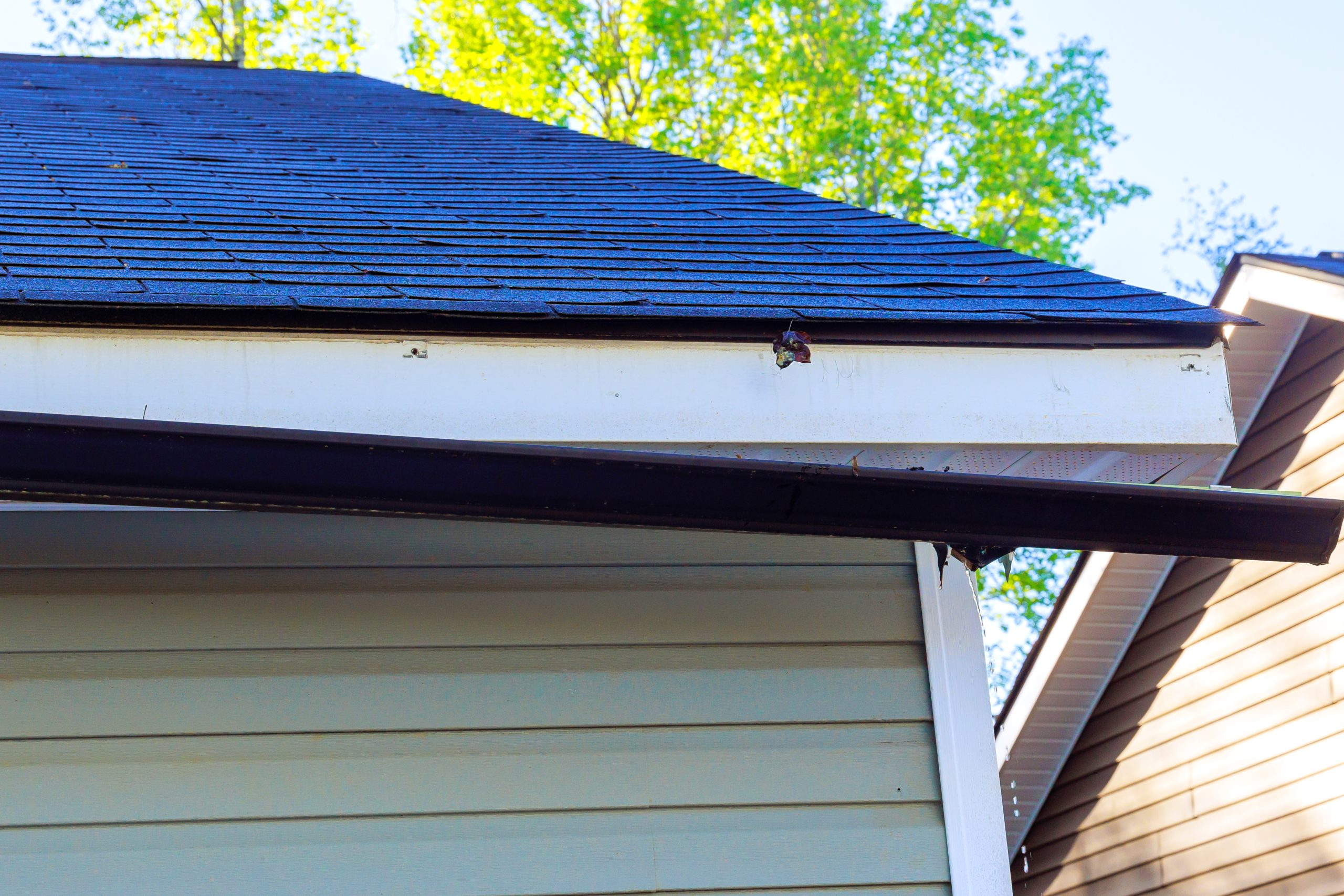
On flint buildings, gutters and downpipes are part of how the building sheds water, and the fascia supports them. On these buildings the junction between the roof edge and an uneven flint wall can also leave gaps that let wind-driven rain or birds in, so we look closely at where the soffit meets the wall.
Lewes District Council is the planning authority. For listed buildings, check consent first. If you are unsure whether your property is listed or in a conservation area, the council can confirm, and we can describe the existing roofline for that discussion.