
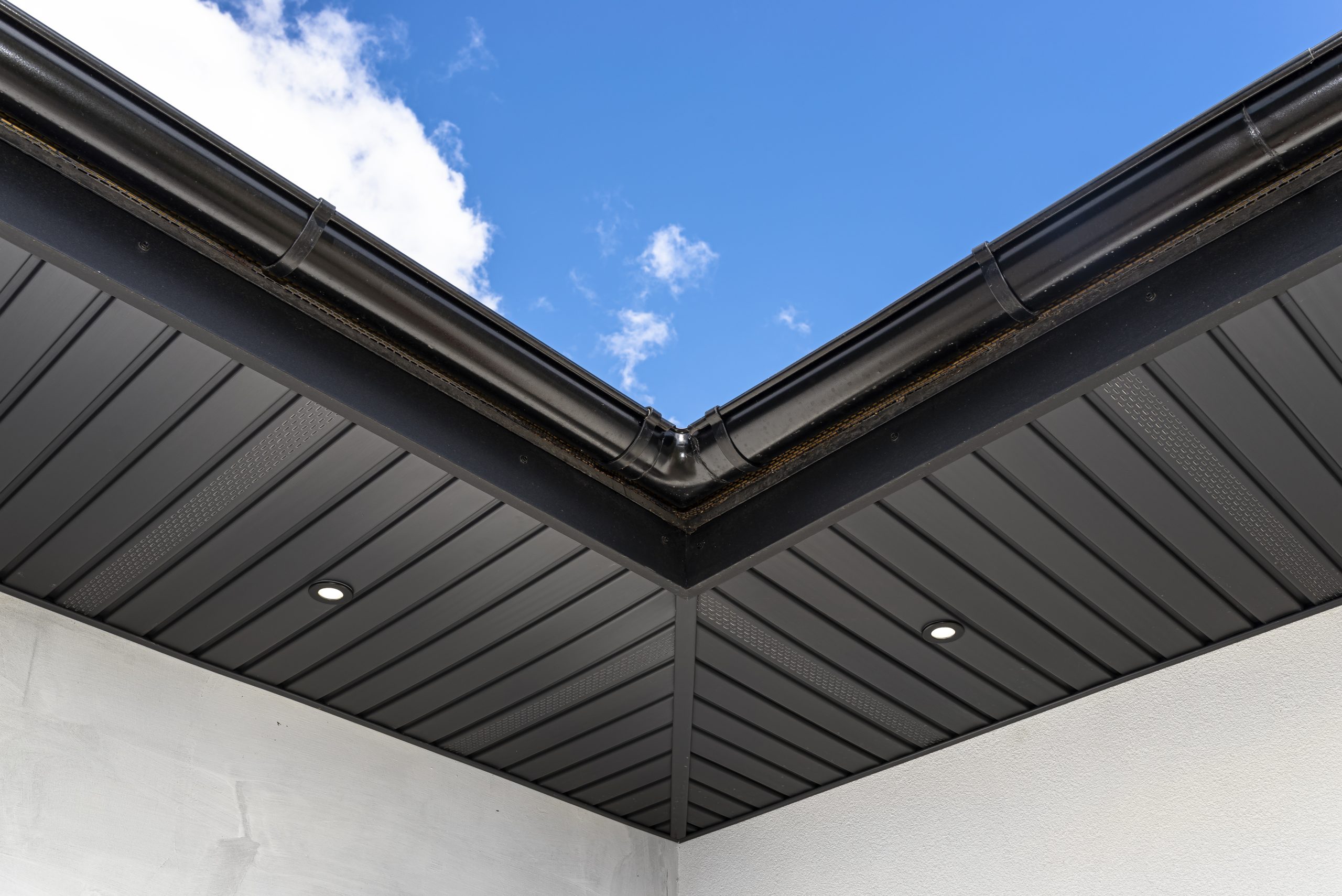
Soffit and Fascia Repairs in Peacehaven
Peacehaven's bungalows have long eaves, and many have been altered with dormers or extensions, creating new roofline sections beside older ones. On seaward clifftop streets, there is little shelter from the wind.
Receive your free quote
Old and new side by side
Where a loft conversion or extension has been added, the new roofline may sit beside original boards of a different age. The older sections may be the first to fail. This is common where an extension was built years after the original bungalow, as the two parts of the roofline have weathered at different rates.
We assess the whole roofline and explain which sections need attention now and which can wait. Where the boards still look similar, the condition of the timber, fixings and gutter brackets is what tells us which parts are failing.
Clifftop exposure
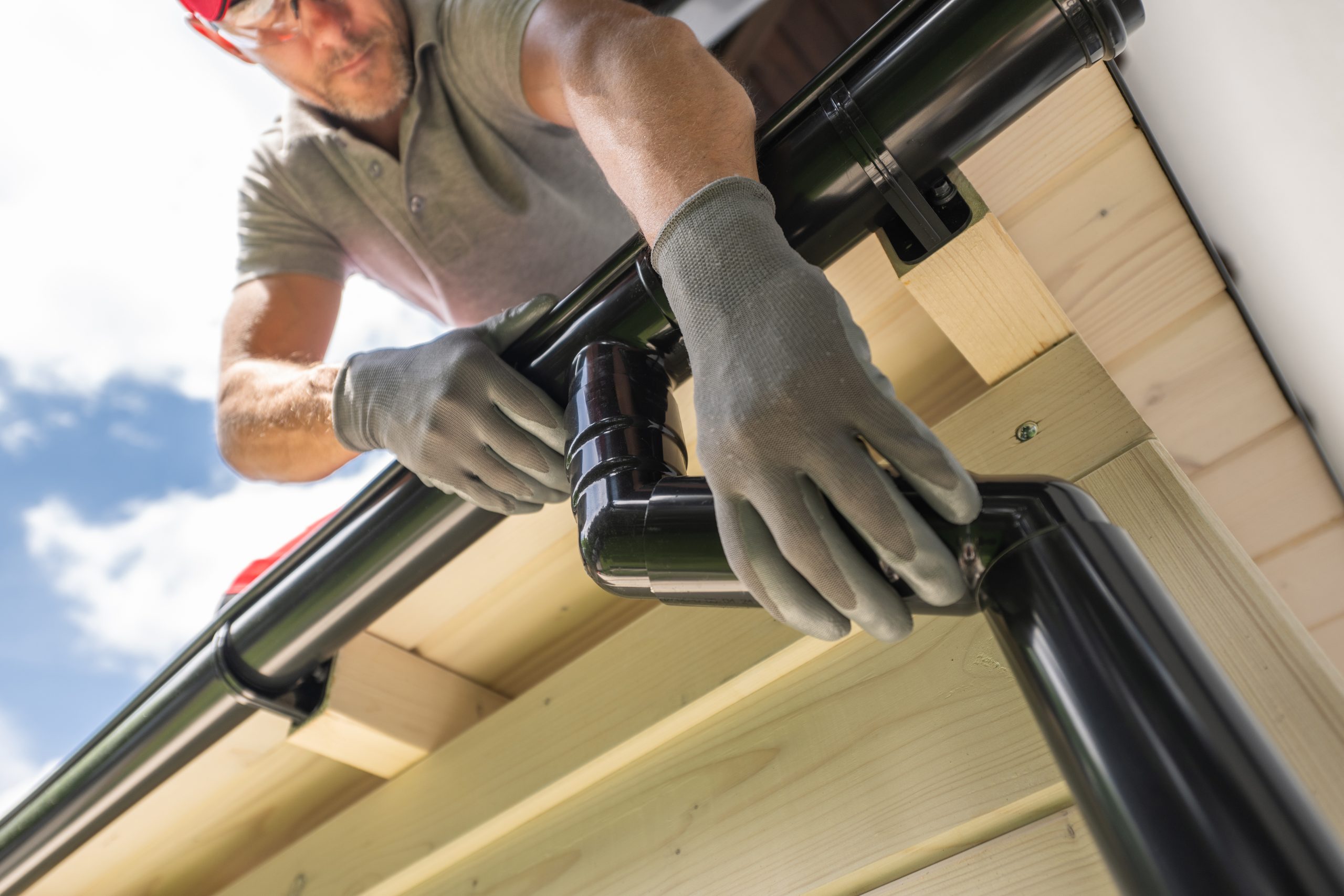
Strong gusts can loosen fascias and lift soffits on exposed elevations, and wind-driven rain finds any gap. Fascias on seaward elevations carry gutters that also take wind-driven rain, so loose brackets and sagging gutters often show up there first.
Regular checks from the ground, particularly after storms, help catch problems early. From the ground, look for boards pulling away, gaps at corners, flaking paint and gutters that have dropped out of line. Never use a ladder on an exposed elevation in wind.
Help & advice


Ventilation in altered roofs
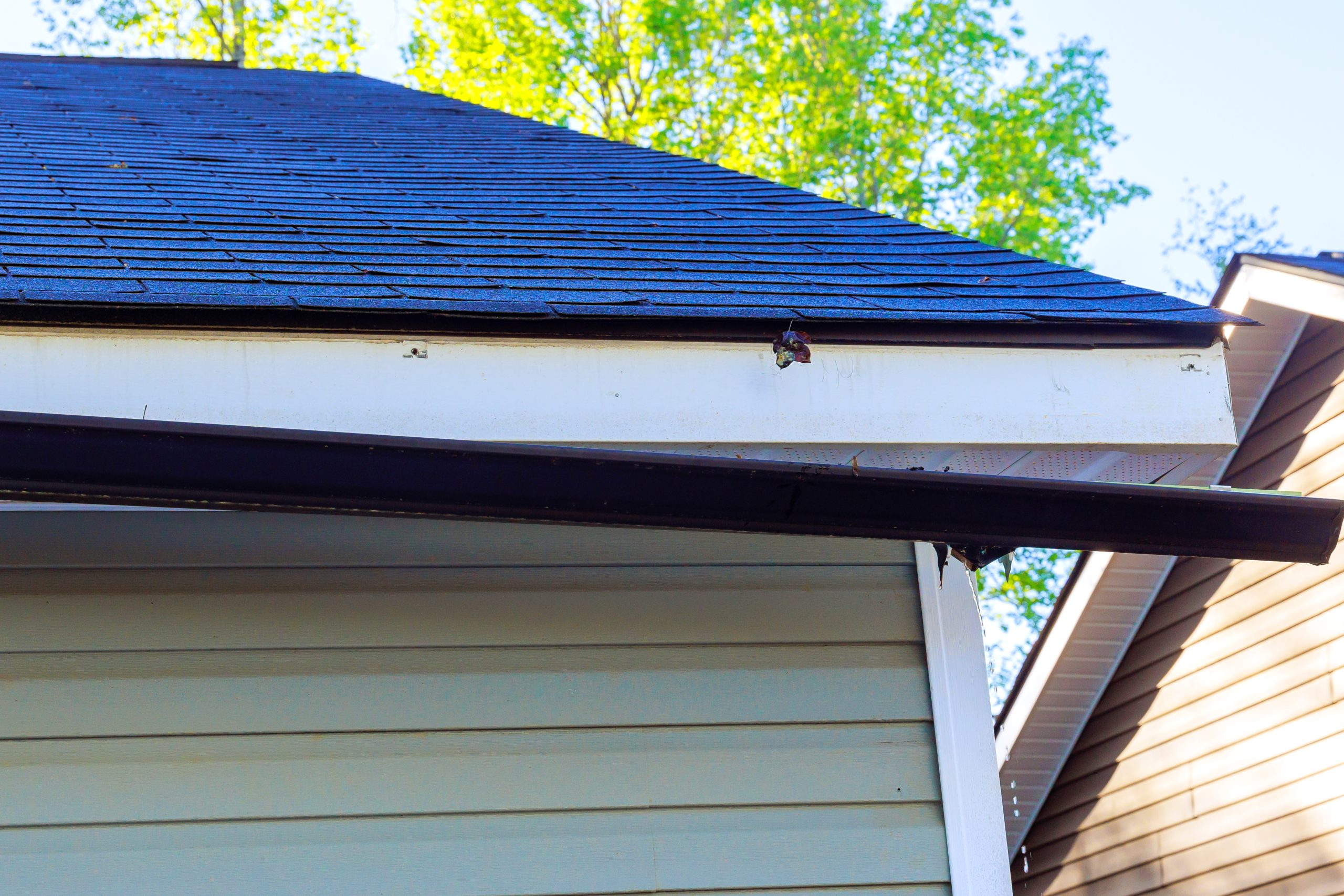
Loft conversions change how a roof space is used and ventilated. Soffit vents should not be blocked without considering the effect. If a converted loft feels damp or has condensation on cold surfaces, roof-space ventilation should be considered alongside any roofline work.
When replacing soffits we take account of the roof design. Our Peacehaven area page links to all local services. Where existing vents are present we aim to keep or replace them, and where they are absent we explain whether the roof design suggests ventilation is needed.