
How to Prepare Your Roof for Winter: A Guide for Sussex Property Owners
By November, autumn is well established and winter weather is approaching.
This is a good time to make sure known roofing problems are not carried into the coldest and wettest part of the year.
Receive your free quote
Winter preparation does not mean replacing a perfectly serviceable roof. It means checking vulnerable areas, addressing obvious defects and making sure rainwater can leave the roof effectively.
Check Tiles and Slates
Start by looking for obvious damage from ground level.
Missing, slipped or cracked roofing materials can leave the roof more vulnerable to wind-driven rain.
Look for debris on the ground as well.
A tile or slate that has fallen may be easier to spot beside the house than from below.
If damage is localised, targeted repairs through tiled roofing services or slate roofing services may be appropriate.
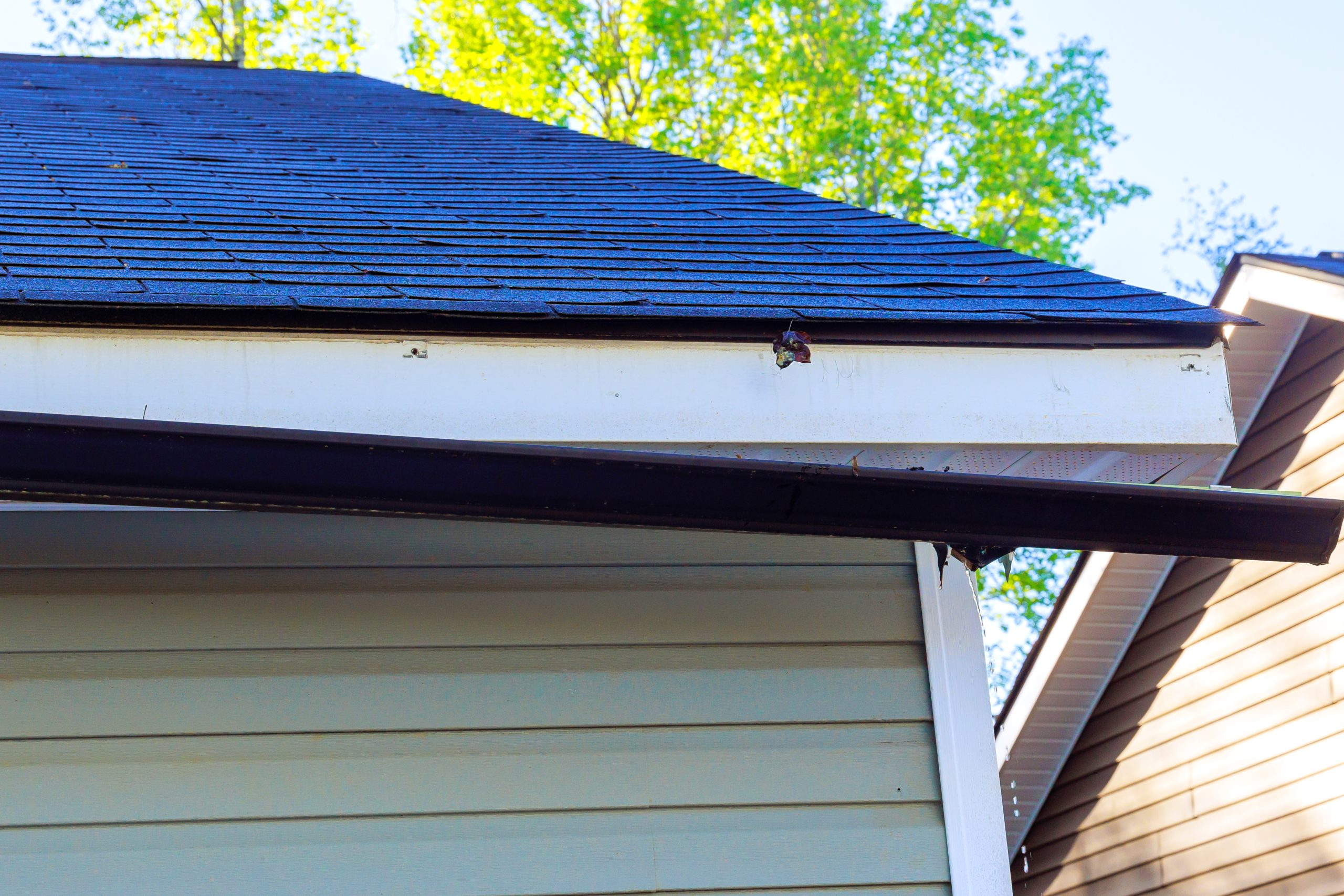
Clear Gutters Before Winter Rain
Autumn leaves can create significant gutter blockages.
By November, gutters around properties close to trees may contain leaves, moss and twigs.
Heavy winter rainfall then arrives on top of this accumulated material.
If water cannot flow towards the downpipe, it may overflow against walls and roofline components.
Keeping the drainage route clear is therefore one of the simplest forms of winter preparation.
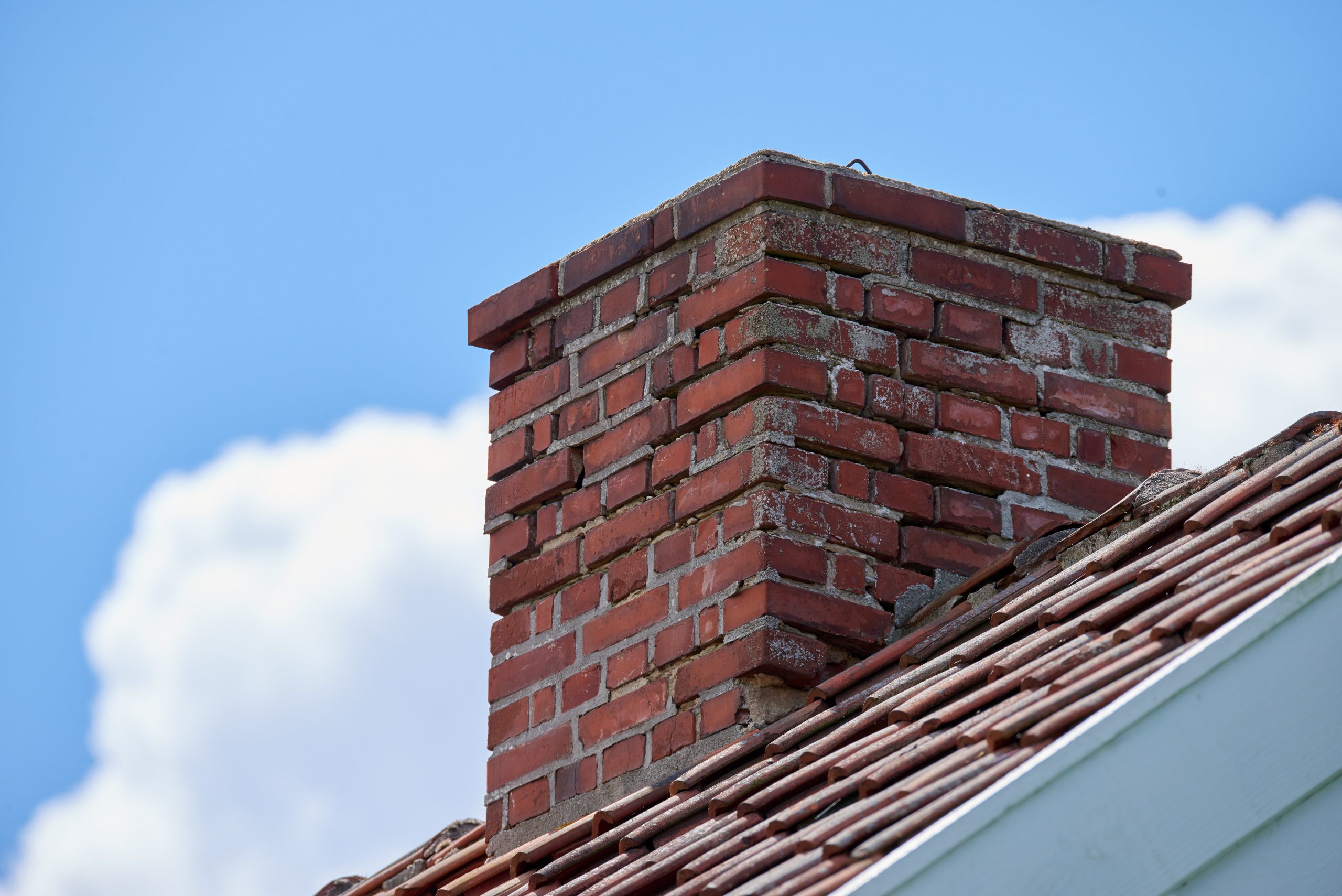
Inspect Chimneys
Chimneys remain exposed throughout winter.
Check from ground level for visible:
- Cracking
- Missing mortar
- Loose pots
- Damaged brickwork
- Movement
- Deteriorated flashing
If you have noticed damp around a chimney breast, do not assume the problem will disappear when the weather becomes colder.
Chimney repairs can address localised deterioration where appropriate.
Pay Attention to Flat Roof Drainage
Flat roofs need to drain efficiently.
Leaves and debris can collect around outlets during autumn and cause standing water as rainfall increases.
Check for:
- Persistent pooling
- Blocked outlets
- Cracks
- Splits
- Lifting edges
- Damaged joints
- Damp internally
Problems with flat roofing are often easier to address before prolonged winter rainfall reveals them repeatedly.
Look Inside the Loft
An accessible loft can provide valuable warning signs.
Check for:
- Water marks
- Damp insulation
- Musty smells
- Daylight through unexpected gaps
- Damp timber
- Signs of recent dripping
A roof leak does not always produce obvious water pouring through a ceiling.
Early signs can be subtle.
Check Fascias and Soffits
The roofline can also be affected by winter weather.
Fascias often support guttering, while soffits protect vulnerable areas beneath the roof edge.
Look for rot, cracks, loose sections or evidence that water has repeatedly overflowed from gutters.
Bramwell Roofing Sussex provides soffit and fascia installation and repair services.
Don't Ignore Small Leaks
A small damp patch can be tempting to postpone.
If it only appears during particularly heavy rainfall, you may go weeks without seeing it.
Unfortunately, the underlying defect remains.
Repeated moisture may affect insulation, plasterwork, decoration and timber.
Investigating the source before the worst winter weather arrives is therefore worthwhile.
Consider the Effect of Strong Winds
Winter storms can dislodge already-loose roofing materials.
If you know that tiles, ridge sections or flashing are showing deterioration, addressing them beforehand can reduce avoidable risk.
After significant storms, carry out another ground-level visual check.
Winter Roofing in Coastal Sussex
Coastal locations across Sussex may be particularly exposed to wind and driving rain.
Properties in Brighton, Peacehaven, Seaford, Eastbourne, Bexhill and Hastings can include older roofs, chimneys and traditional materials alongside more modern construction.
Every property is different, which is why the condition of the individual roof matters more than its age alone.
When Should You Arrange an Inspection?
An inspection is sensible when:
- You have spotted visible damage
- A leak has appeared
- Roofing material has fallen
- Gutters are repeatedly overflowing
- The roof has suffered storm exposure
- You are unsure of the condition of an older roof
A roof survey can help identify visible defects before larger work is considered.
Prepare Before Winter Exposes the Problem
The objective is not to create unnecessary roofing work.
It is to identify problems that already exist before weeks of cold, wet and windy weather make them more difficult to ignore.
For roofing advice or an assessment anywhere in Sussex, call Bramwell Roofing Sussex on 07598 001 200.
Frequently Asked Questions
When should I prepare my roof for winter?
Autumn is a good time, ideally before the most severe winter weather arrives.
What is the most important winter roof check?
There is no single check. Roofing materials, gutters, chimneys, flashing and flat roof drainage all matter.
Should I clear gutters before winter?
Yes, particularly once most autumn leaves have fallen.
Can a small leak wait until spring?
Leaving water ingress untreated can allow internal damage to become more extensive.
Should I inspect the roof after winter storms?
A ground-level visual check after severe weather can help identify obvious damage.